Stop Forcing Stillness: 5 Short Active Relaxation Techniques for Restless Minds
Introduction:
If traditional meditation leaves you fidgeting, frustrated, or anxious, you’re not broken. Your nervous system is simply wired for high-arousal, high-energy states. For people with ADHD-type brains, Type A traits, or generally restless energy, stillness can feel like danger. Cortisol spikes, muscles tighten, and the urge to move skyrockets.
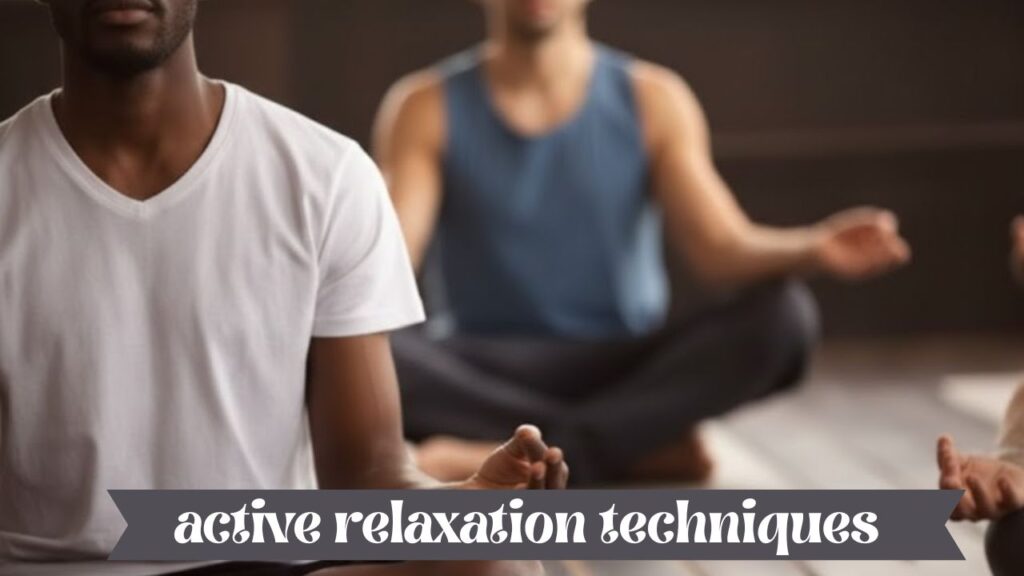
The solution isn’t forcing calm—it’s active relaxation. Using your body to discharge stress allows your nervous system to move from Freeze to Flow, naturally lowering heart rate and promoting mental clarity.
 Relaxation Techniques for Restless Minds" class="wp-image-1677" title="Stop Forcing Stillness: 5 Short Active Relaxation Techniques for Restless Minds 2" srcset="https://calmingmindtherapy.com/wp-content/uploads/2025/12/active-relaxation-techniques-1024x576.jpg 1024w, https://calmingmindtherapy.com/wp-content/uploads/2025/12/active-relaxation-techniques-300x169.jpg 300w, https://calmingmindtherapy.com/wp-content/uploads/2025/12/active-relaxation-techniques-768x432.jpg 768w, https://calmingmindtherapy.com/wp-content/uploads/2025/12/active-relaxation-techniques.jpg 1280w" sizes="auto, (max-width: 1024px) 100vw, 1024px" />
How to Relax Without Sitting Still
To relax when you can’t sit still, use active relaxation techniques that provide proprioceptive input, such as somatic shaking, PMR, or isometric wall pushes. These methods let your nervous system discharge excess adrenaline, triggering the parasympathetic “rest-and-digest” state without the stress of forced stillness.
Quick-Start Decision Tree: Pick Your Technique
If you are unsure which active relaxation method to start with, follow this symptom-based guide:
- Vibrating Energy: Choose Somatic Shaking
- Braced/Tight Tension: Choose PMR (Progressive Muscle Relaxation)
- Racing/Anxious Thoughts: Choose Mindful Pacing
- Immediate Grounding Needed: Choose Wall Pushes
This list allows busy, high-energy readers to quickly select the most effective technique.
The Relaxation Paradox: When Silence Becomes a Stressor
This YouTube video below from Cognitive Therapy Hub explains the relaxation paradox and why trying too hard to relax can increase stress. It explores cognitive patterns that block calm states. This reference supports healthier approaches to stress reduction and emotional regulation.
Many restless brains experience Relaxation-Induced Anxiety (RIA) when attempting stillness. Stillness feels like sensory deprivation. Your brain relies on proprioception—the sense of body position and movement—to map safety. Without motion, this internal map fades, triggering panic and tension.
(Place diagram here: “Freeze-to-Flow transition visual: High-arousal brain releasing tension through motion”)
Movement-based relaxation provides the sensory feedback your nervous system craves, allowing cortisol metabolism and a gradual shift toward calm.
1: Somatic Shaking (The “Freeze-to-Flow” Reset)
Time to Calm: 120 Seconds
Why it works: Somatic shaking allows the nervous system to discharge adrenaline, preventing a Functional Freeze state. This is the basis of Somatic Experiencing, a clinical approach to stress regulation. Shaking signals the brain that danger has passed, letting muscles relax and heart rate lower.
How to do it:
- Stand with feet shoulder-width apart.
- Shake hands, arms, and shoulders for 30 seconds.
- Gradually include legs and torso in rhythmic motion.
- Notice tension leaving muscles and a small dopamine drip that keeps the restless mind engaged.
This movement bridges the gap between hyper-arousal and calm without forcing stillness.
2: Progressive Muscle Relaxation (PMR)
Time to Calm: 5 Minutes
PMR trains your brain to recognize tension vs ease. It’s also perfect for high-energy archetypes who need continuous sensory feedback.
Tension-Release Schema:
- Feet: Curl toes tightly, then release.
- Legs: Squeeze calves and thighs, then relax.
- Core: Tighten abdomen as if bracing for a jump, then release.
- Back & Shoulders: Shrug and tense upper back, then let go.
- Arms & Hands: Make fists, squeeze, then relax.
- Face & Jaw: Scrunch face, then release fully.
This structured approach gives clear kinesthetic cues for your nervous system, lowering tension efficiently.
3: Mindful Pacing (The 10-Step Grounding)
Time to Calm: 5–10 Minutes
Walking intentionally engages the vestibular system, providing the motion your brain craves.
How to do it:
- Walk slowly in a quiet space.
- Sync each step with your breath.
- Notice foot pressure, posture, and movement.
- Continue for several minutes to quiet racing thoughts.
Mindful pacing metabolizes stress hormones while giving the nervous system sensory reassurance.
4: Proprioceptive Heavy Work: Wall Pushes
Time to Calm: 30 Seconds
Why it works: High-pressure feedback, also called heavy work, is one of the fastest ways to calm the amygdala. Pushing against a stationary object provides maximum joint and muscle input, grounding kinesthetic processors instantly.
How to do it:
- Stand facing a wall.
- Place palms at shoulder height.
- Push firmly for 10 seconds, then release.
- Repeat 2–3 times, feeling muscles engage and tension melt.
5: Rhythmic Breathing with Tapping
Time to Calm: 2–3 Minutes
Combining touch with breath stimulates the prefrontal cortex and provides tactile feedback.
How to do it:
- Place fingertips on collarbones.
- Inhale for 4 counts, exhale for 6 counts.
- Tap gently in rhythm with breath.
- Repeat 2–3 minutes, focusing on tension release.
The combination of movement, touch, and rhythm gives a dopamine drip while reducing hyper-arousal.
| Technique | Time | When to Use | Quick Steps | Effect |
|---|---|---|---|---|
| Somatic Shaking | 2 min | Vibrating energy | Shake arms → legs → torso | Releases adrenaline, small dopamine boost |
| PMR | 5 min | Braced/Tight tension | Curl toes → squeeze legs → tighten core → shrug → fists → face | Relaxes muscles, engages kinesthetic feedback |
| Mindful Pacing | 5–10 min | Racing/anxious thoughts | Walk slowly, sync steps with breath | Settles mind, lowers heart rate |
| Wall Pushes | 30 sec | Immediate grounding | Push wall 10 sec → release, repeat | Proprioceptive input, instant grounding |
| Breathing + Tapping | 2–3 min | Fidgety/anxious energy | Tap collarbones, inhale 4 → exhale 6 | Focuses mind, small dopamine drip |
Why Movement Works Better for Restless Brains
This YouTube video below from TEDx Talks features Anders Hansen explaining why the brain is built for movement. He links physical activity to brain health, focus, and mood regulation. This reference supports the role of movement in mental performance and emotional well-being.
For high-energy, ADHD-type brains, standard meditation often feels like under-stimulation, causing a drop in baseline dopamine. Active relaxation gives enough sensory “noise” to keep the brain engaged, preventing distraction loops or anxiety spikes. Cortisol is metabolized while the nervous system receives reassuring feedback. Movement is medicine for minds that can’t sit still.
Creating a “Restless-Friendly” Routine
High-energy individuals benefit from Pulse-to-Pause cycles: 10 minutes of active relaxation followed by 2 minutes of stillness. Watch for the physiological sigh, a double-inhale followed by a long exhale. When it happens involuntarily, your “bridge” to calm is complete.
Micro-Practices:
60-Second Desk Reset:
- Shoulder rolls (15 seconds)
- Three deep breaths (15 seconds)
- Hand stretch (15 seconds)
These quick exercises release tension, provide proprioceptive input, and stabilize dopamine levels throughout the day.
Last Words: Your Body, Your Rules
Relaxation isn’t a one-size-fits-all pose. High-energy brains need movement-based strategies. From Somatic Shaking to Wall Pushes, these exercises let your nervous system discharge stress naturally. Try the 2-minute Somatic Shake today and notice the difference. When your physiological sigh arrives, you’ve achieved true calm.